J&J MedTech

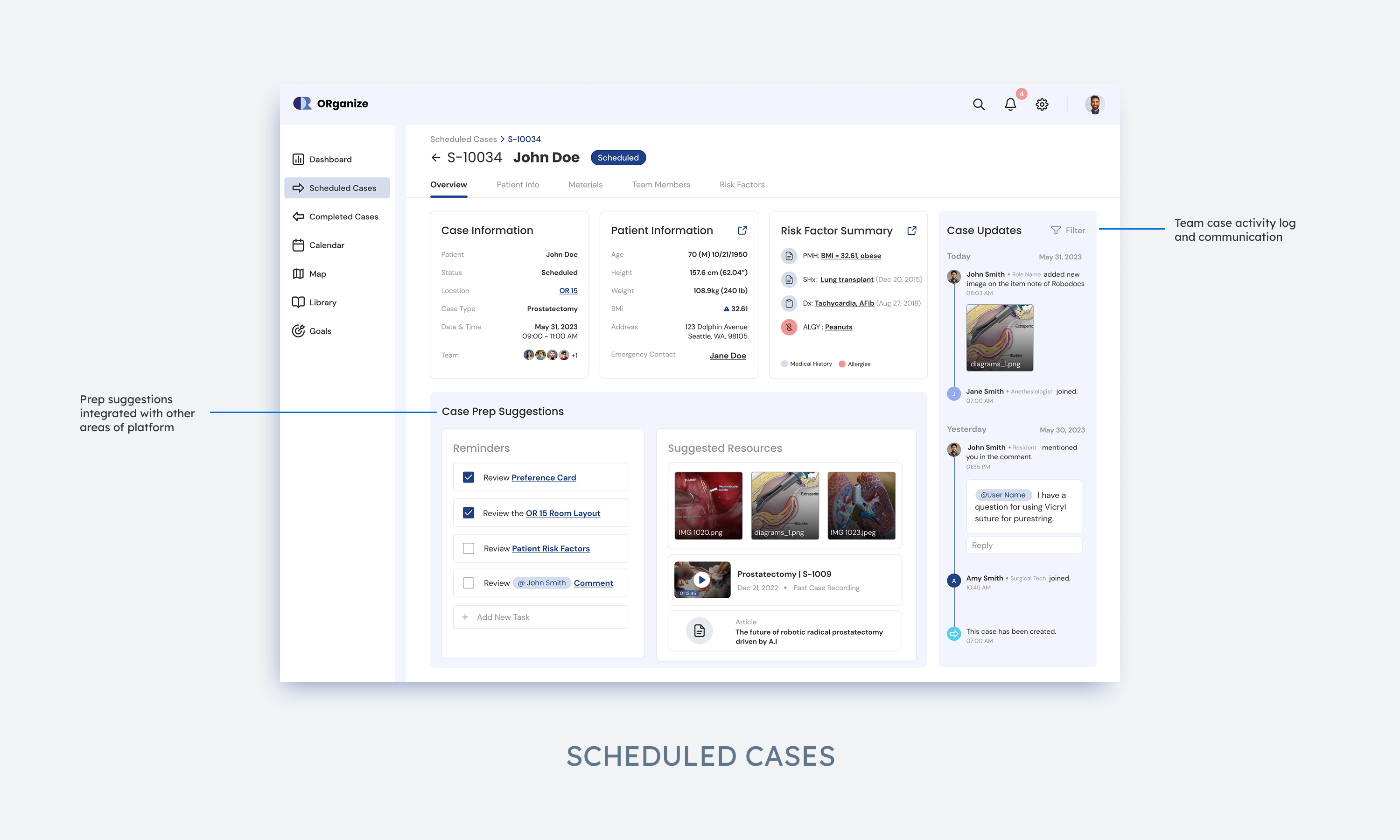
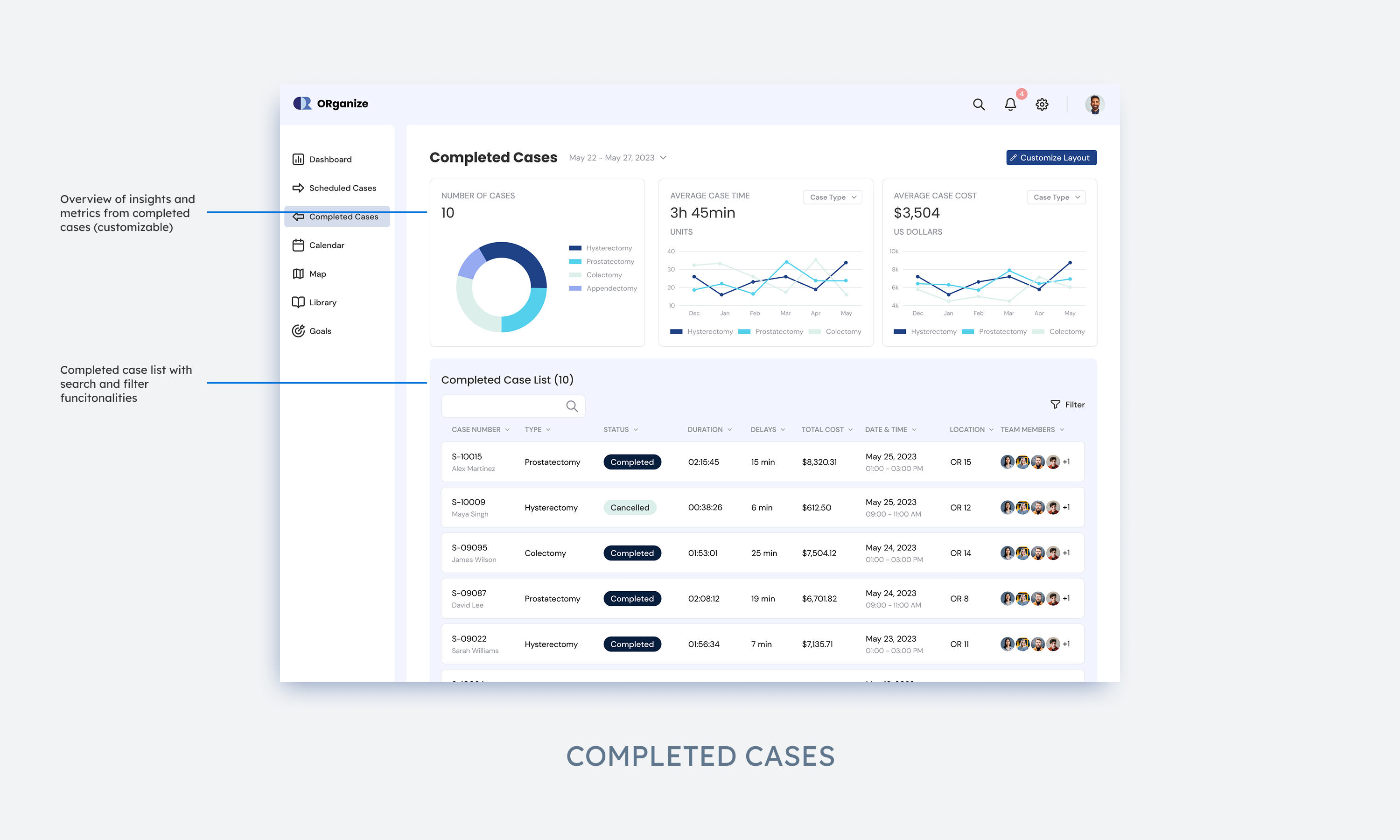
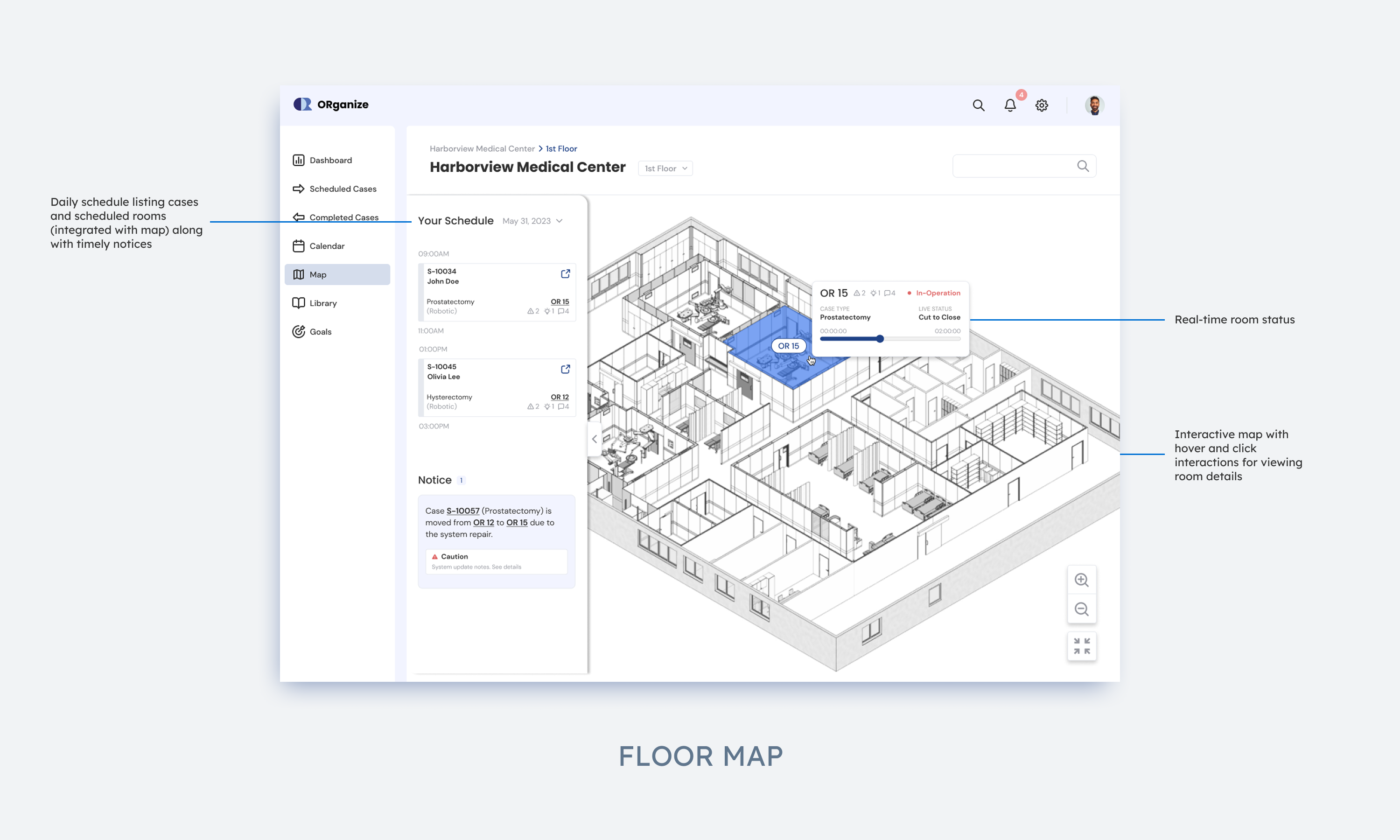
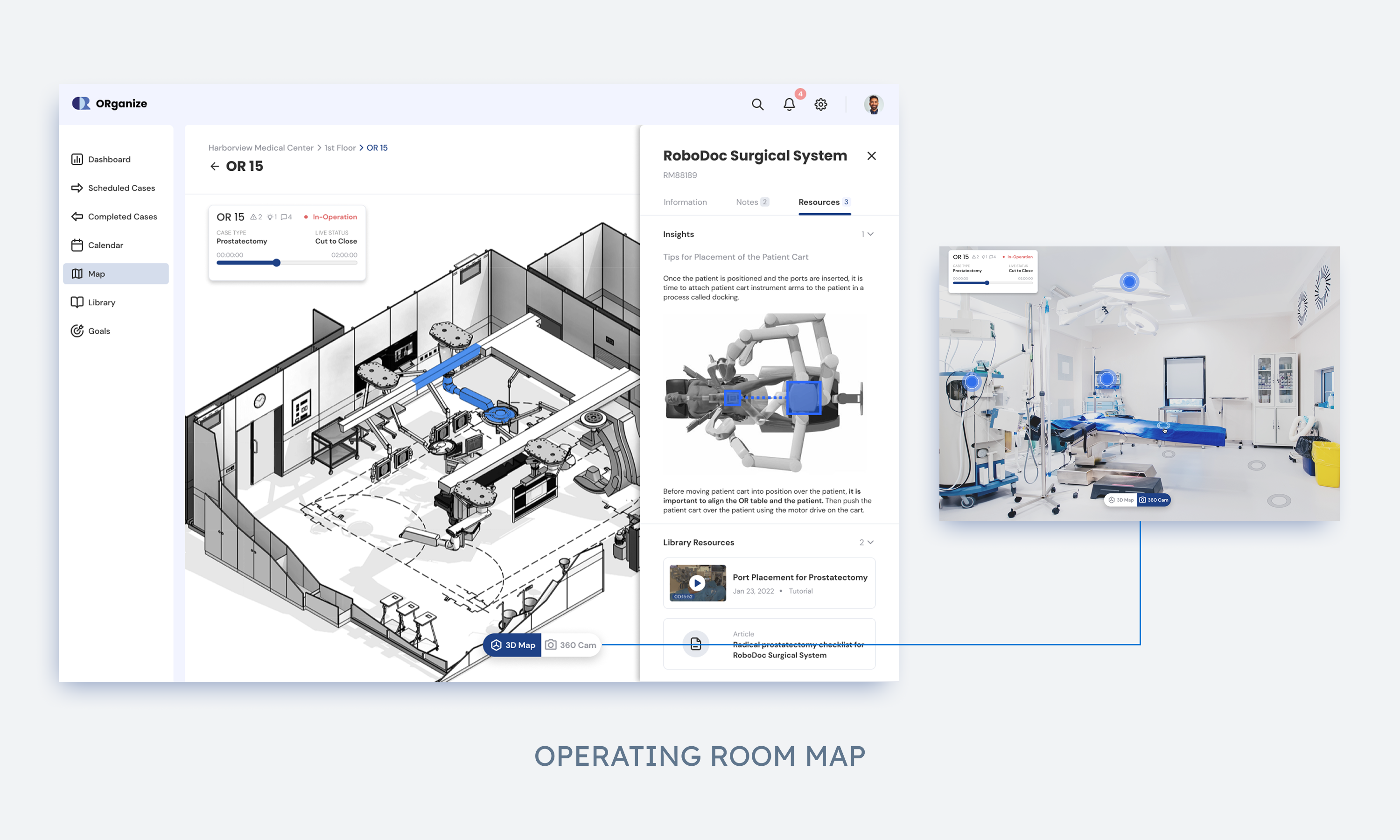
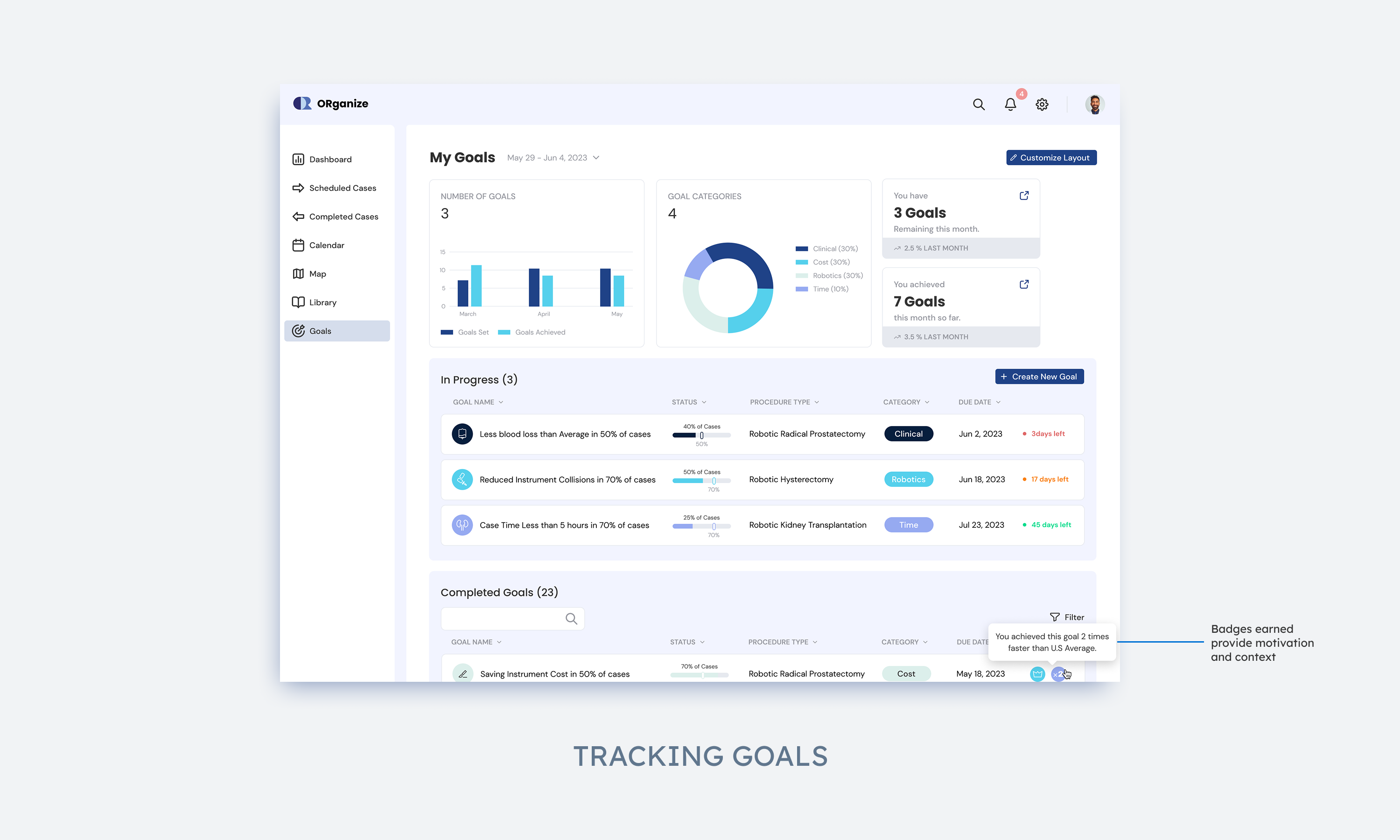
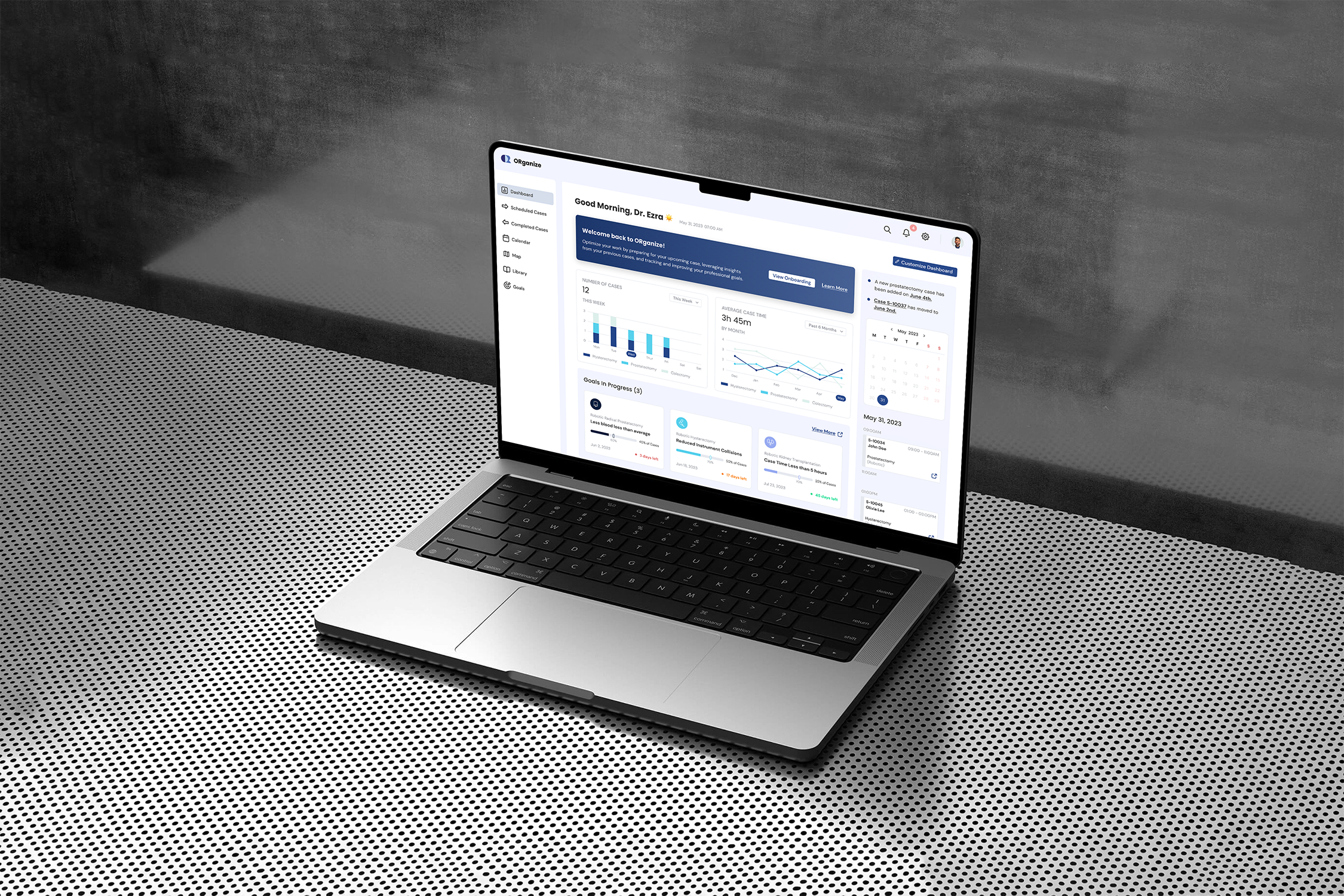
We built ORganize—a cloud-based platform that consolidates relevant data and insights into a centralized platform, empowering robotic surgeons and other healthcare professionals to streamline their workflows and optimize their performance by providing smart suggestions, access to a comprehensive library of resources, and progress monitoring capabilities.

ROLE
Product Designer
Platform
Web App
TIMELINE
6 months
TEAMMATES
2 researchers, 1 designer
VIDEO PROTOTYPE

Product Walkthrough

OPPORTUNITY

What is the opportunity?

With the emergence of AI and cloud technology alongside the development of robotic systems in medicine, there are new opportunities to combat inefficiencies across the entire surgical process, from pre to post-op. Information and data across medical systems are not well-integrated, which often results in inefficiencies at the cost of patient care. Johnson & Johnson MedTech is in the process of developing a new robotic surgical system. With the conception of this surgical robot, they are interested in opportunities to target gaps in current offerings, specifically regarding data integration to increase case efficiency.
How might we utilize, organize, or integrate data to help increase case efficiency for robotic surgeries?
GENERATIVE RESEARCH

How did we learn about the problems?

Literature Review
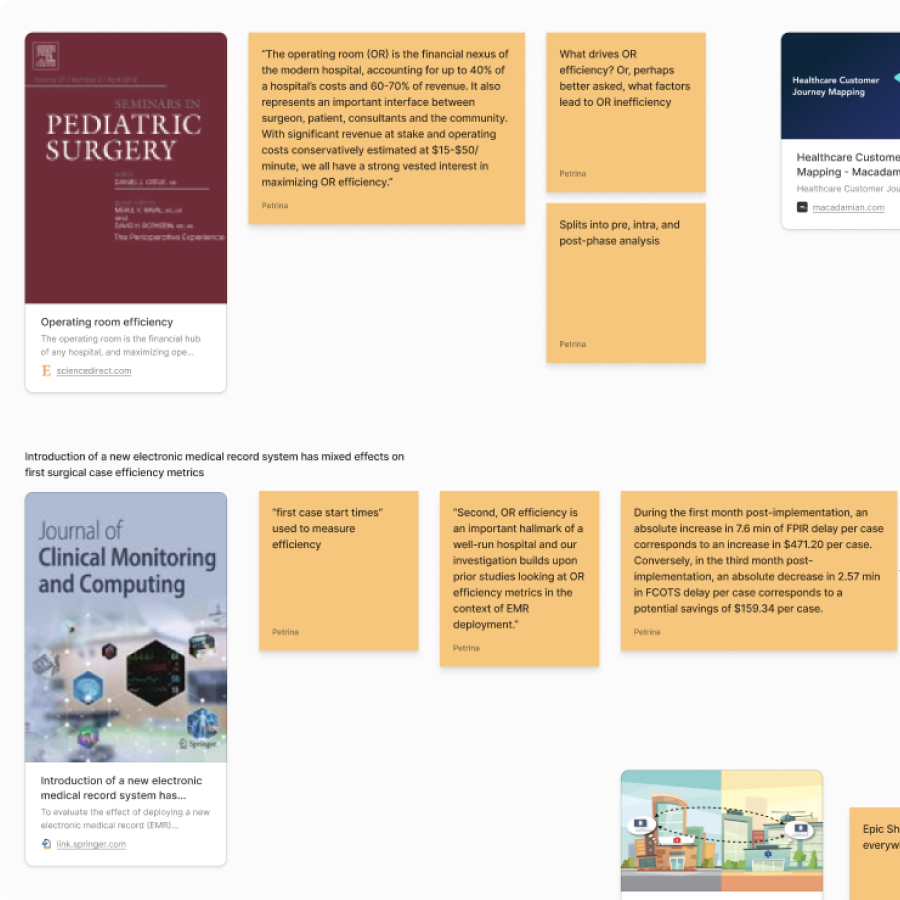
We reviewed academic journals, medical websites, repositories, videos, and news articles to learn about the current state of robotic surgeries and medical workflows.
Expert Interviews
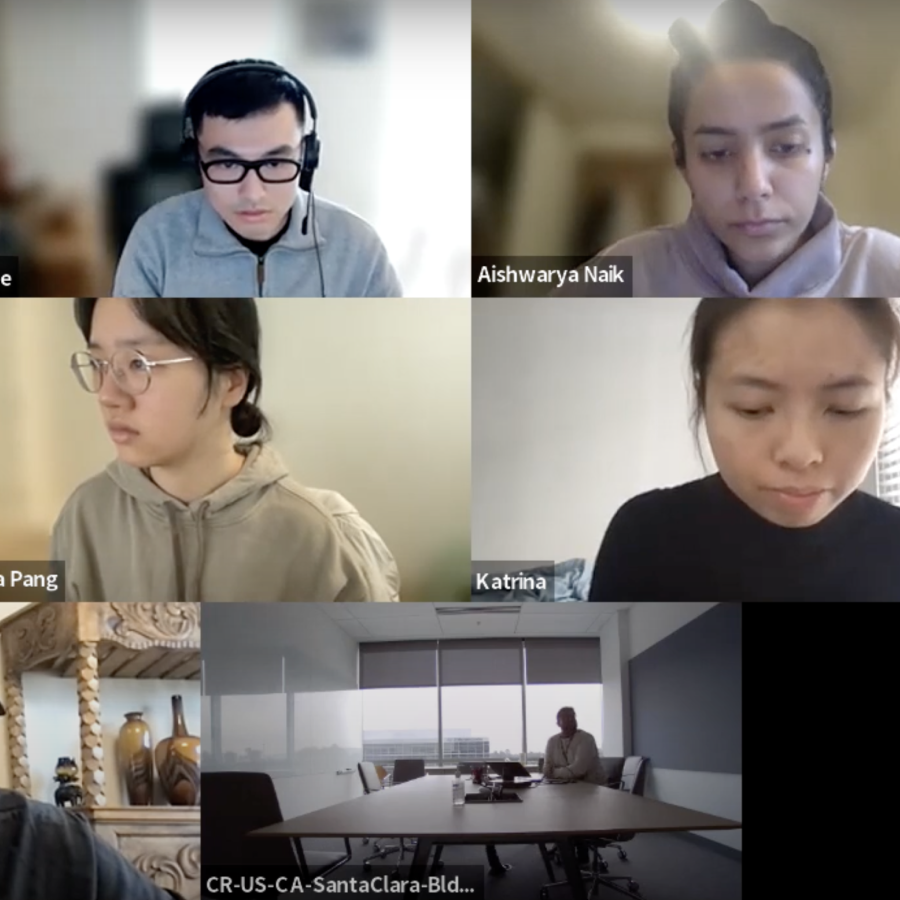
We conducted 12 semi-structured interviews with participants, including robotic surgeons, anesthesiologists, nurses, surgical technicians, and clinical engineers. They provided valuable insights into the journeys of medical personnel during the surgical process, the types of data required, and the context in which data is used in robotic surgeries.
Contextual Inquiries
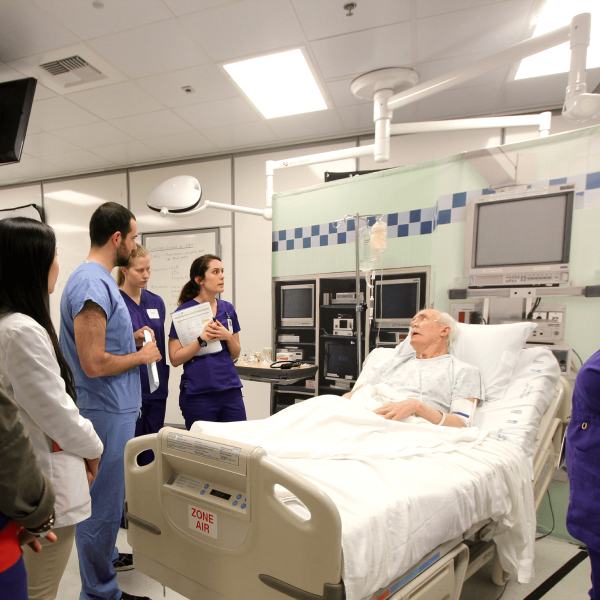
We visited local hospitals to observe procedures and workflows firsthand. These visits were crucial in shaping our concept direction, allowing us to validate assumptions, uncover real user needs, and refine or discard early ideas.
IDEATION

Developing the Prototype

Storyboards
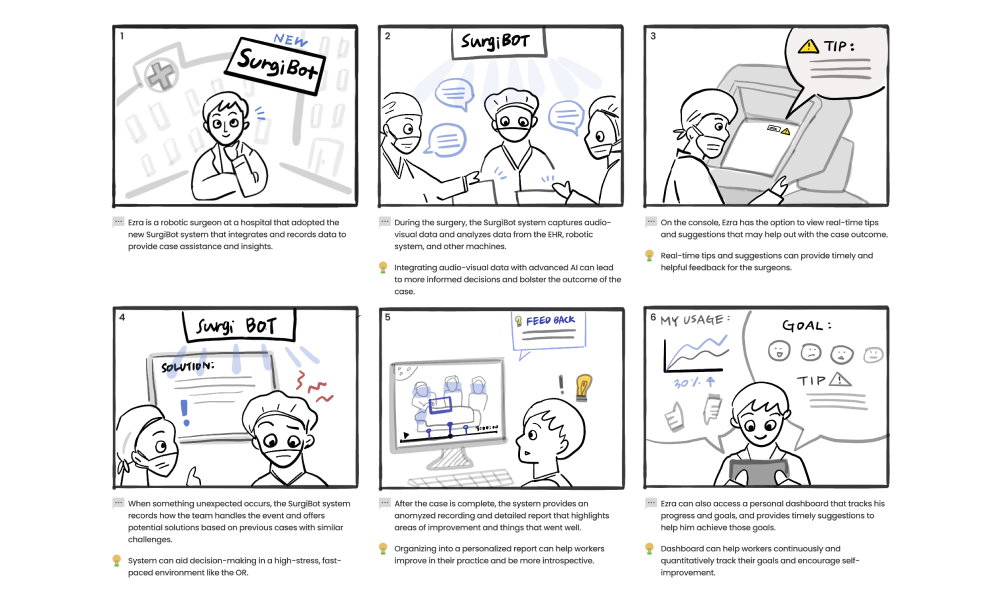
We began by creating storyboards to visualize key user scenarios and map out how people would interact with the product in real life. This helped align the team around the user journey before diving into design details.
Lo-fidelity Prototype
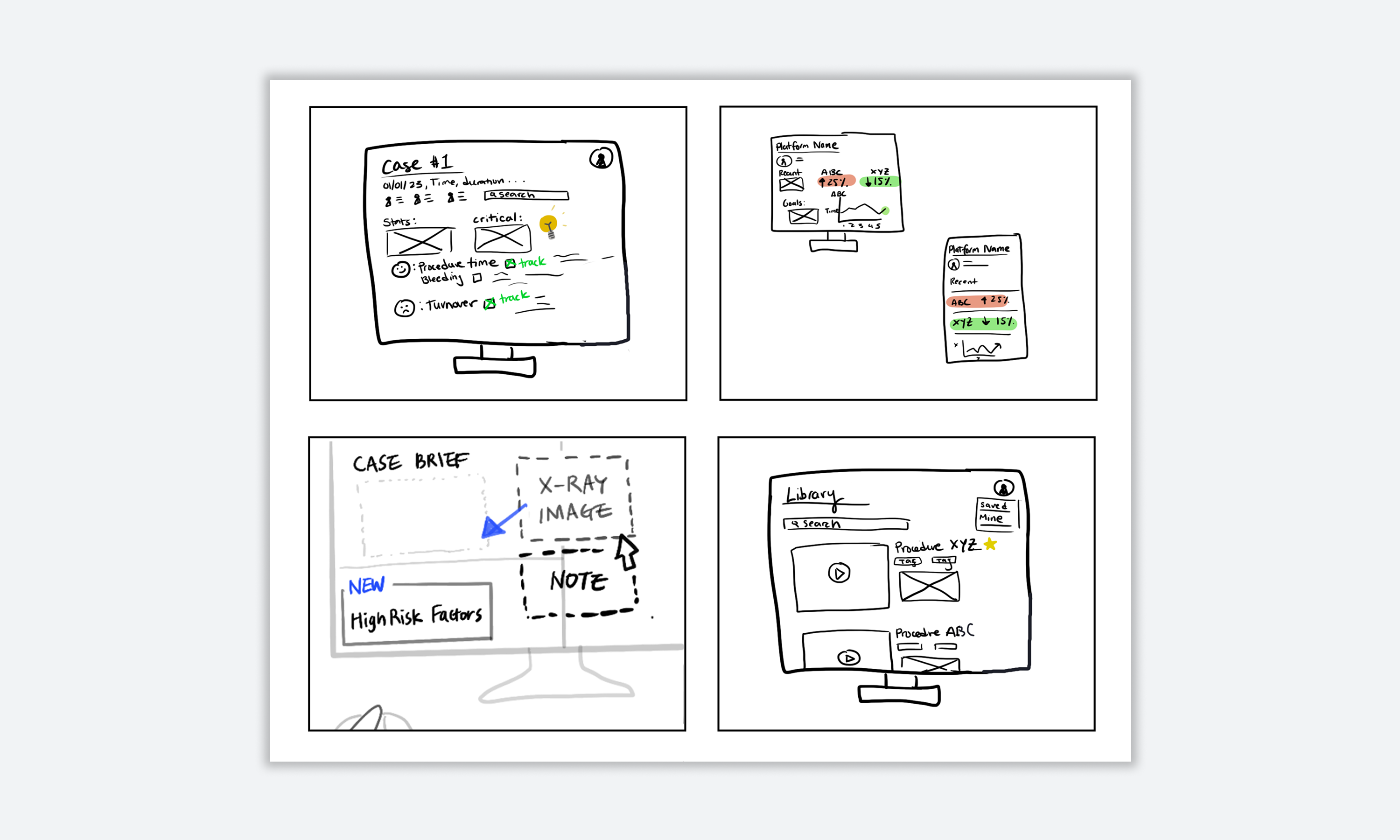
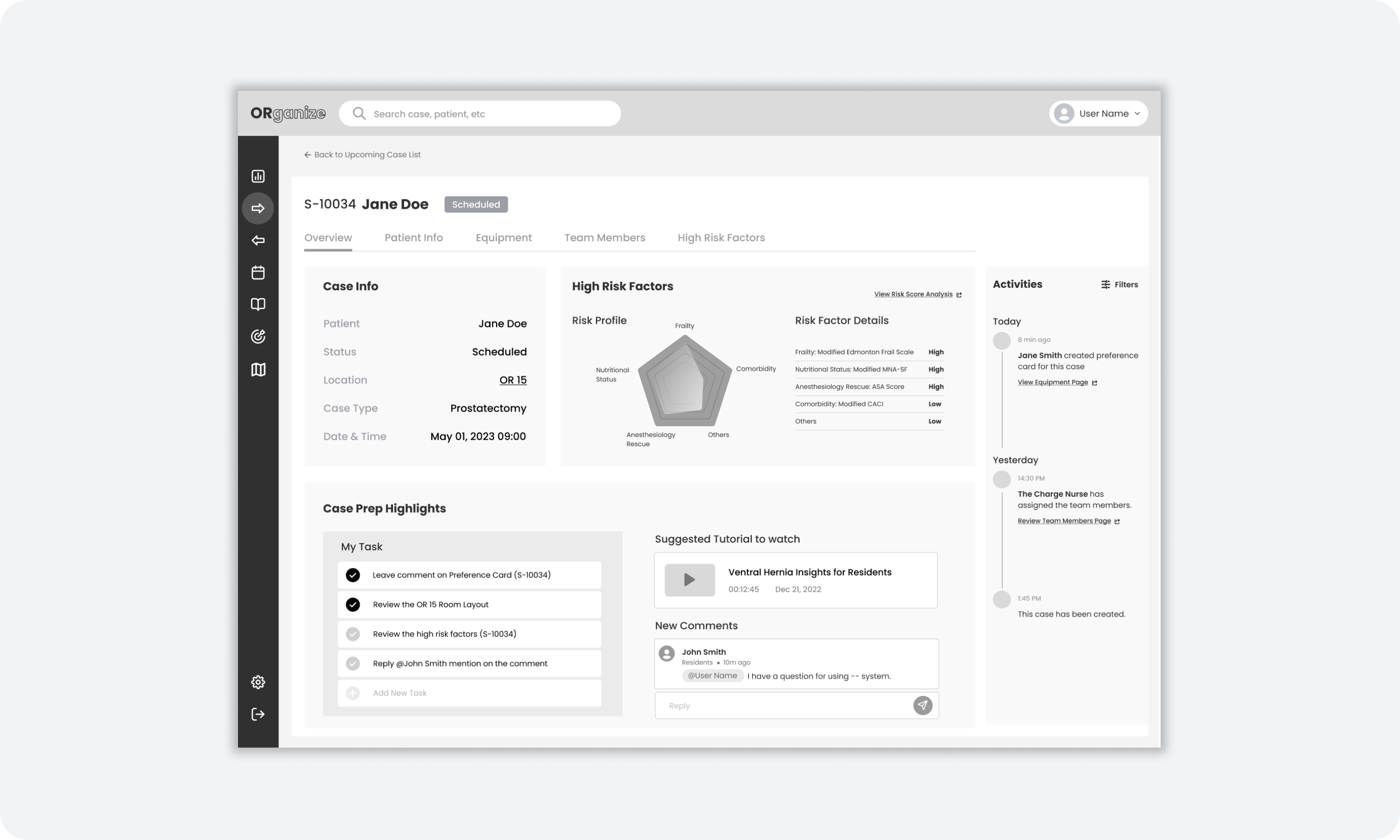
Next, we sketched low-fidelity wireframes to quickly explore layouts, flows, and interactions. These helped us test early ideas, gather feedback, and iterate rapidly without getting stuck on visuals.
Mid-Fidelity Prototype
We then translated the strongest concepts into mid-fidelity prototypes to refine structure, hierarchy, and usability. This stage focused on validating interaction patterns and ensuring the experience felt intuitive before moving into high-fidelity design.
FINAL DESIGNS

ORganize...

Go back home
or reach out to me if you'd like to learn more about this project.